Showing posts with label Research. Show all posts

Saturday, 17 May 2014

Simulation Explosions.

I will be maintaining this post with my how-to guide to simulating explosions in Maya.
But as a point of reference, this Youtube is an unbelievably excellent resource of real-world examples, from pressurised gas explosions, incendiary and fragmentation explosives and even petroleum explosives (from about 8 minutes onwards there are some insane explosions in fuel depots showing the incredible rate that fuel is consumed and how fast the explosion expands).
VIDEOS OF EXPLOSIONS ON YOUTUBE

Digital Tutors trailer for Petrol explosions. The full tutorial gives you an in depth look at how real explosives work, with regards to fuel consumption, incandescence and pressure.
Digital Tutors Trailer

Battlefield 4 makes excellent use of particle simulations throughout the game. The buildings as they crumble and collapse, throwing out debris and smoke as they fall, the hard cover being gradually chipped away from high calibre weapon fire, the muzzle flashes and gun smoke themselves are fantastically made. Rockets colliding with vehicles, the smoke wrapping around them as they move, and the atmospherics themselves. DICE really broke the mould with their physics engine Frostbite2, which makes all of these simulations masterpieces in themselves. A compilation of them follow;
Battlefield 4

Grand Theft Auto 5, another recent game which contains more fantastic explosions, smoke, dust, particles and cloth simulations. Rockstar really know how to go above and beyond with their detail. Just look at the final couple clips in the third trailer for the game!
Grand Theft Auto 5 - Trailer 3

Maya Explosions - Maya is an insanely powerful program for simulating with. Once you get your head around it, it begins to just click with you. The water, fire and explosions (particles with an emitter) are just so good in Maya and just overshadow Max and the limited simulations it can make right out of the box without any plugins. THIS VIDEO was created by Kyle Jones, a Youtube User, using Maya. My explosion is made similarly, but by looking at how the explosion would react with the fuel, give out heat, which would ignite it's fuel source, the pressure given off by the explosion itself and the way the smoke cloud would dissipate, I managed to make mine look a little more, without sounding overly harsh on his very good work, convincing. Where he has left an emitter giving off smoke, it is a little too dense, and the "chunks" given off move too slow for the pressure that would have been given off by the explosion. These are elements that need to be observed to create a convincing explosive simulation.


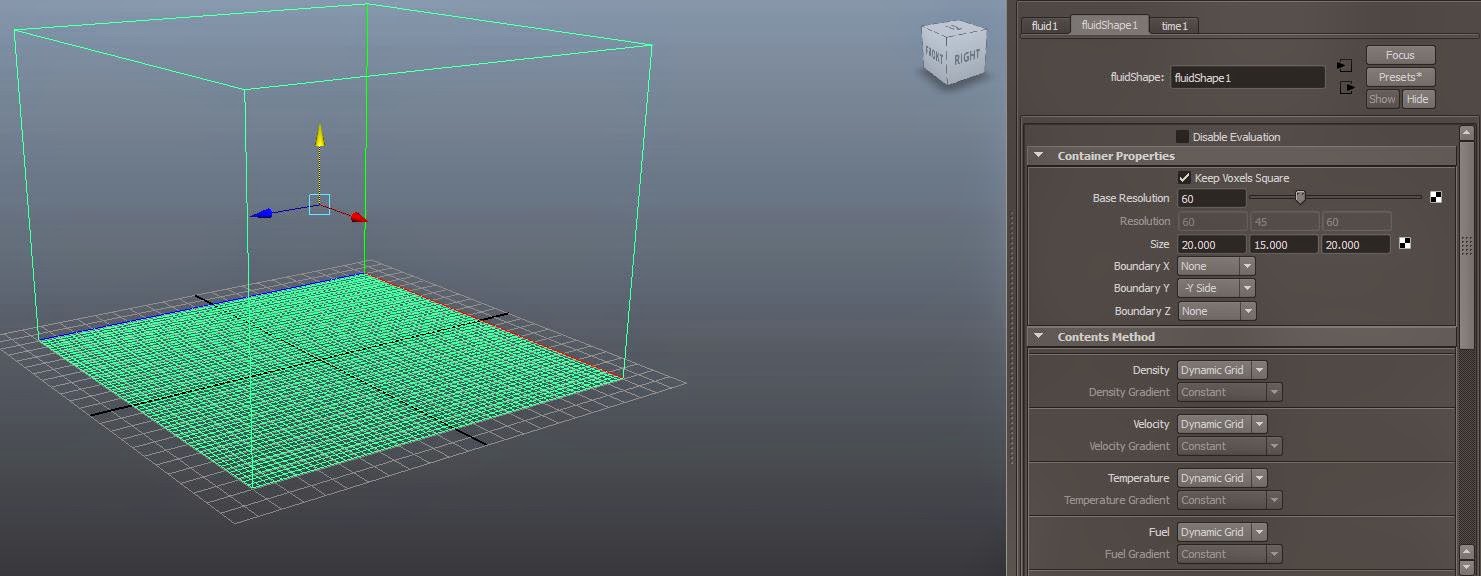
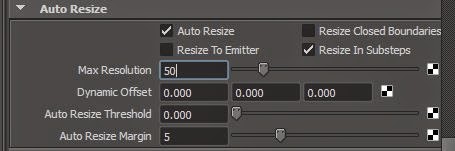
CREATING THE EXPLOSION. I have shown key settings to create the explosion I used. Some screen shots I have annotated. Later I may come back and do a write up for these, but at the moment, I have no time. Projects are calling me!







Saturday, 29 March 2014

RayFire test

EDIT: http://youtu.be/1eAB4ZecrVY
The above link shows the awesome power of RayFire

I got my grubby mitts on a trial copy of RayFire. I did this test to try it out.
The Plane is a Static Object, the Ball is a solid object and the box is fractured. When it collides with the other objects, it shatters.

Sunday, 16 March 2014

Movement Research and Research into Zombies

I planned on using Motion Capture data for my figurative animation but hit a few snags in that plan...
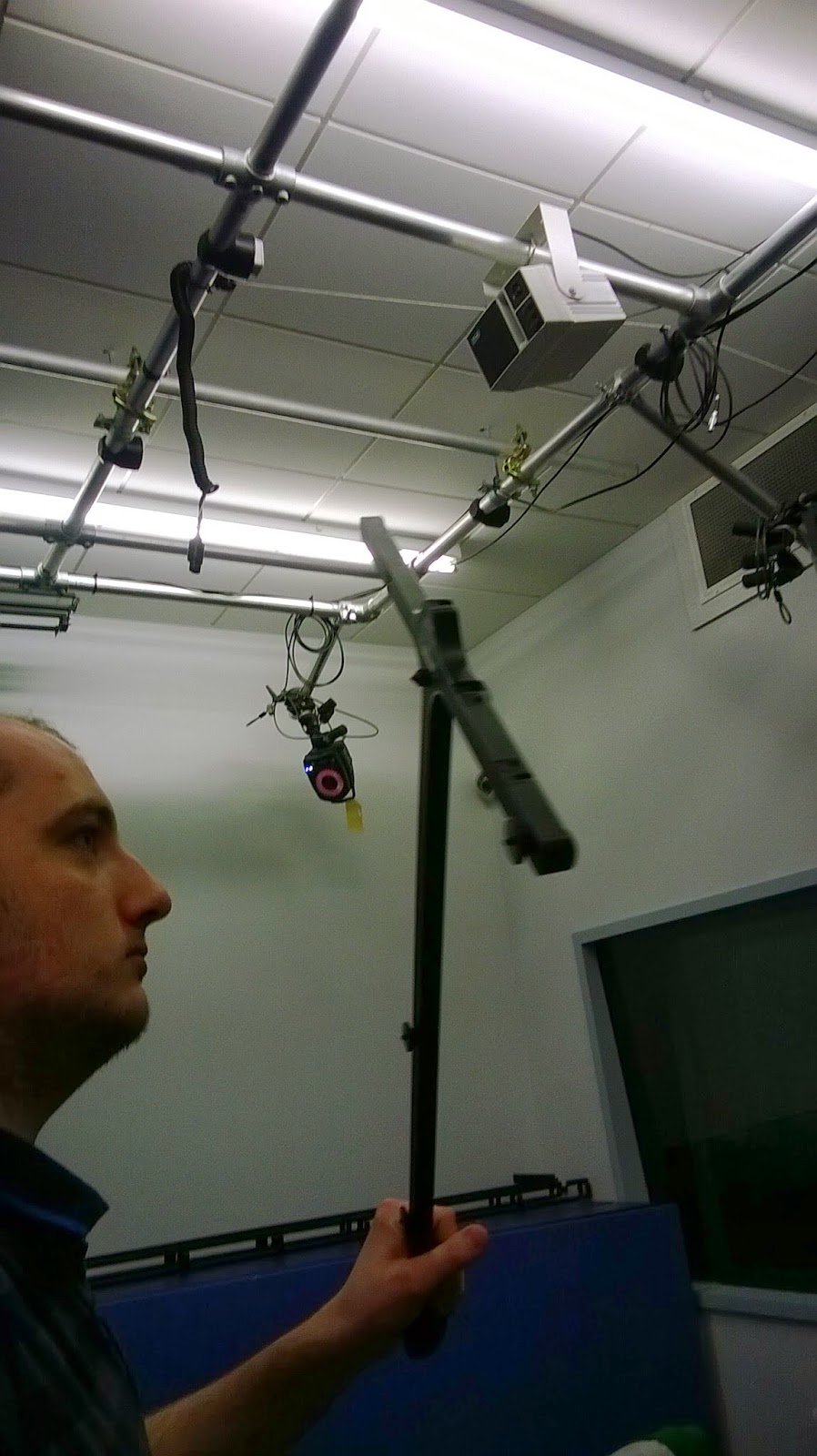
1, the Motion Capture room has been out of commission for some time. When we were told it was up and running again, a few of us went up to get some footage!


It wouldn't pick up data, however. It seems the cameras may have been pointed too low and they weren't able to collect enough data.

So we took some video footage to use!


Sadly, the cameras were recording at different frame rates, so when put into Max, they weren't synced up at all. Damn.


Zombie Reseach


Using the Zombie Survival Guide, I had some Physical information about Zombies which I used for acting as a zombie (in the above videos)


I also have a calendar themed on Zombies which give field notes from "Dr. Robert Twombly". Similar in style to what I got from the Zombie Survival Guide.


When I discovered that I couldn't really use the footage, I had to change my angle slightly. I planned on doing my animation in MotionBuilder (I find MB to be better for figurative animation) but the pipeline for taking a rigged character from Max in to MB, isn't as simple as from MB to Max. The way Max labels it's CAT rigs is different to how Motion Builder does it. To get it in to MB, I would have basically started rigging from scratch and renamed everything to the Motion Builder Pipeline. I didn't have enough time to do that, though, so I ended up having to use Max. I think Max is perfect for setting up controlled rigs and animating through that, for modelling environments. Interiors, props, things like that. But I prefer to animate within Motion Builder. It handles animation and motion capture data better, in my opinion. Besides, it's used in film and game for animation, where as Max isn't as much.

I did a Walk Cycle in Flash last year to use as motion reference for projects.

I turned to the other Survival book I have to help me with the motion research I would use for my final animations. The Animator's Survival Kit by Richard Williams.

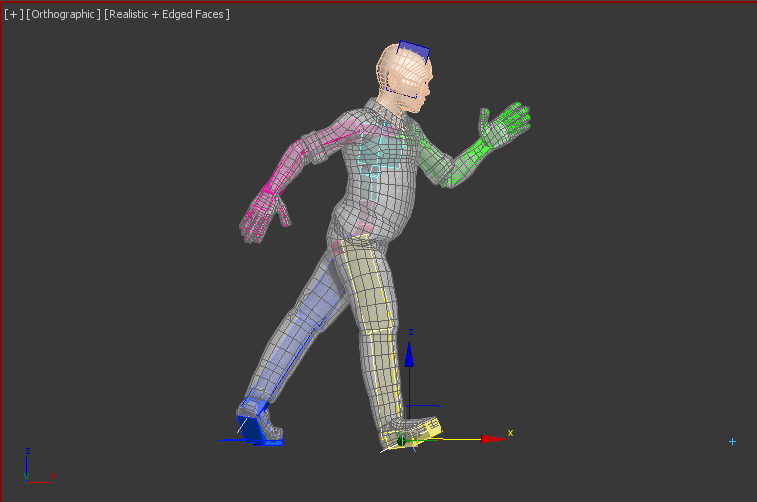
The Milt Kahl walk/strut/skip. I tried to emulate this in my walk cycle. It makes fantastic use of Squash/Stretch, arcs, timing and spacing to name but three. It results in a fantastically cartoon-y walk. You see this kind of strut in a lot of Disney films. I found it difficult to emulate in 3D, but I would like to try this walk more.
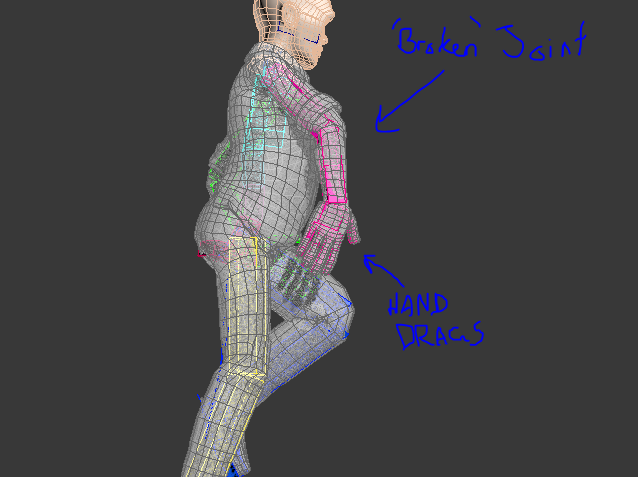
This image was my reference for the arcing, trailing hands and arms for the walk. I would really like to have more time to really nail this as it can look fantastic when done right.

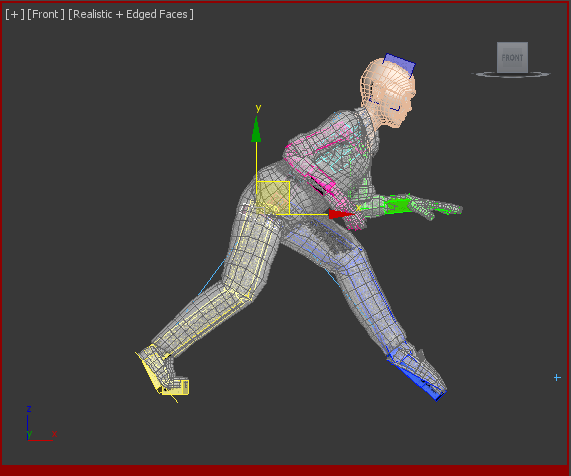
These screen shots show how I went about the Milt Kahl walk.


The use of "broken" joints gives the character a little elasticity in his movements and really helps exaggerate his happy walking.


I also went to make a Sneak cycle. This uses a lot of weight and balance to get right and make convincing. The lead foot connects to the ground ALWAYS at a point, where as the trailing foot leaves arched.

Sneak Contact #1

Sneak Passing Position

Sneak Contact #2


 I tried to get a zombie walk made, too, but I was not impressed with the final result. There is a lot to keep track of when the character is dragging his foot like this. His balance and transference of weight is completely different to a normal walk.


When I tried making this walk/shuffle and I was adjusting the curves to remove some of the jumpy movements.

I used this video to help with my Jump animation:
https://www.youtube.com/watch?v=oiWoesDEXmU (I cannot find it on the Videos From Youtube searcher on my blog)


Some of the curve editing I had to fix on the Jump and landing portion. I used Easing extensively to give that explosive action.